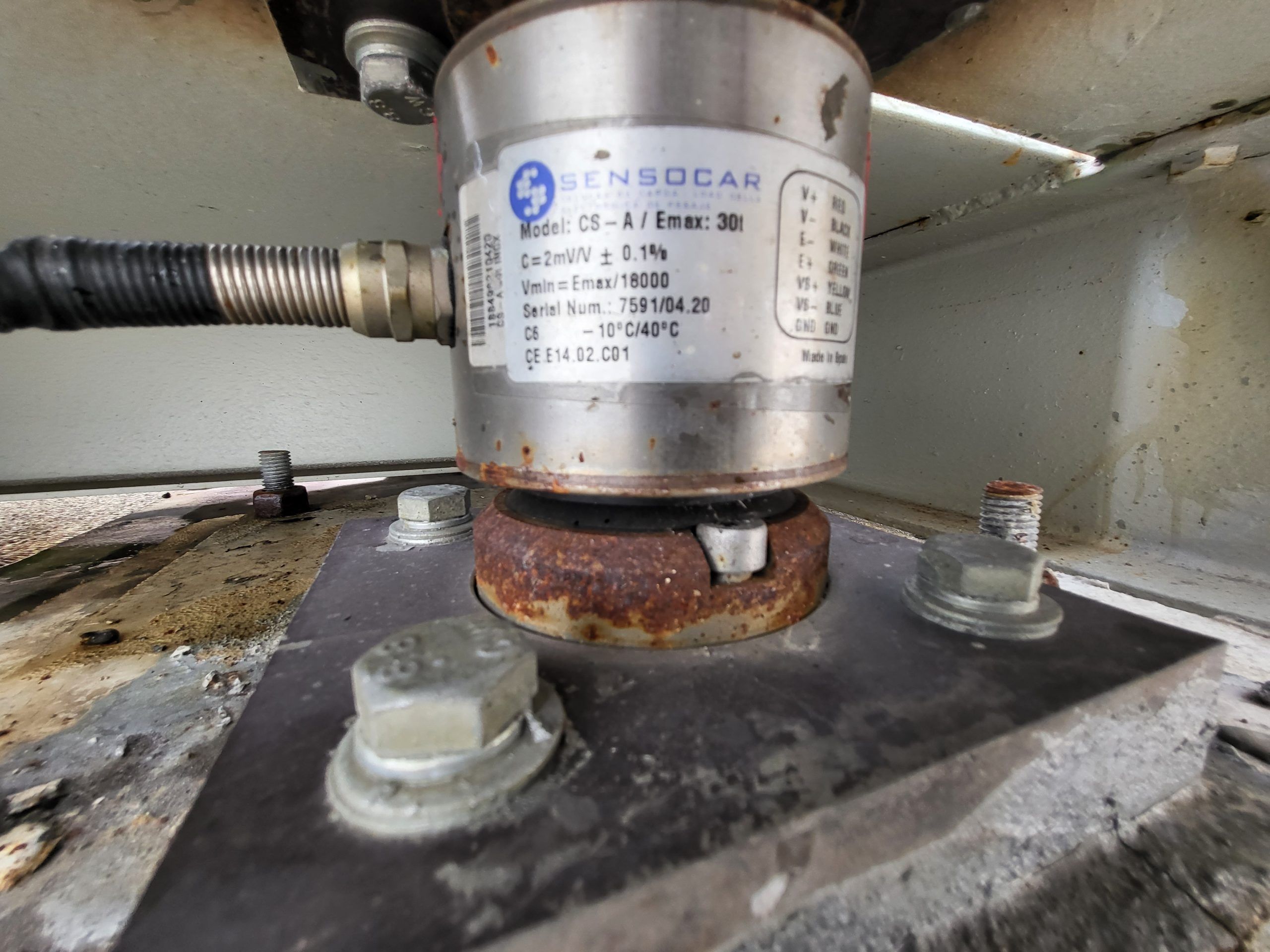
Load Cell Care – Do’s
1. Keep load cells away from moisture, extreme temperatures, corrosive chemicals, debris, UV rays, etc. The ideal environment for a load cell to function correctly should be within a temperature range between 40°F – 80°F (4°C-27°C), depending on its type and ambient conditions around it.
2. Avoid rough handling – fragile components inside a load cell may get damaged due to improper use or handling; this could lead to instability within its readings, meaning incorrect output data over time. Handle with extra care during installation and regular checkups
3. Check mounting surfaces regularly – both on your frame/platform where the load cell will rest upon as well as its own mounting surfaces – things like corrosion can affect how it performs over time, leading to potentially inaccurate readings if left unchecked or unattended for long periods
Load Cell Care – Don’ts
1. Never overload – Load cells usage MUST NOT be OVERLOADED. There are different capacities of load cell available from 10t, 15t, 20t, 25t, 30t, 35t, 40t, 50t to be used for the right weighing solution. Overloading your load cell beyond its capacity can permanently damage it affecting true strain gauge measurements and causing instability within its readings leading to inaccurately calculated output data.
2. Don’t expose them directly to liquids – Rigorously avoiding direct contact with water is necessary as any amount of liquid entering inside the chamber compromises internal circuitry leading to inaccurate strain gauge compositions meaning wrong summarized outputs.
3. Avoid sudden changes in temperature- Sudden changes in temperature can cause expansion problems within strain gauges resulting in erroneous data outputs depending on application requirements